

odettewan18350
About odettewan18350
Private Aircraft Flights: An In-Depth Examine
Private aircraft flights have grow to be an more and more common mode of transportation for individuals and businesses alike. This study report aims to provide a complete overview of the private aviation sector, analyzing its progress, benefits, challenges, and future tendencies.
Overview of Private Aircraft Flights
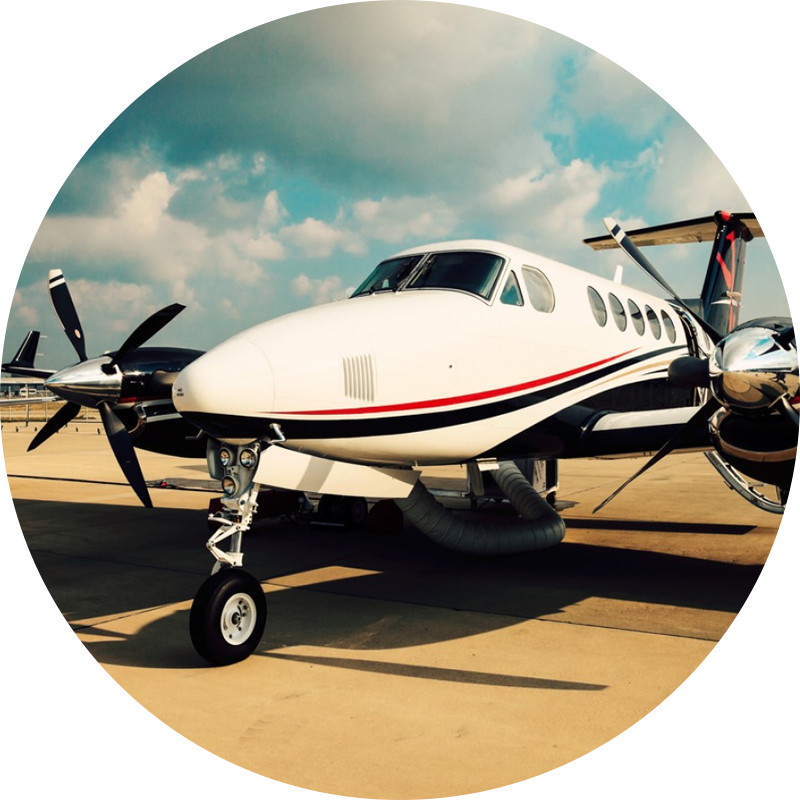
Private aircraft flights discuss with the usage of non-commercial airplanes for personal or business journey. These flights are usually operated by private individuals, companies, or charter corporations, providing a level of comfort, flexibility, and luxury that is often unmatched by business airways. The private aviation market encompasses a wide range of aircraft, including small jets, turboprops, helicopters, and larger enterprise jets, catering to varied needs and budgets.
Growth of the Private Aviation Sector
The private aviation sector has witnessed significant development over the previous two a long time. In keeping with the National Business Aviation Affiliation (NBAA), the number of enterprise jets in operation has elevated steadily, with approximately 22,000 jets registered in the United States alone. This growth might be attributed to a number of elements:
- Elevated Demand for Flexibility: Business leaders and high-web-price people value the power to journey on their schedule. Private flights enable them to keep away from the long strains and delays associated with commercial airports.
- Globalization of Enterprise: As companies broaden their operations internationally, the necessity for environment friendly travel solutions has risen. Private aircraft allow firms to achieve remote places rapidly and effectively.
- Technological Developments: Trendy aircraft are geared up with superior know-how that enhances safety, effectivity, and comfort. Innovations equivalent to improved navigation systems and gas-environment friendly engines have made private flying extra interesting.
- COVID-19 Pandemic: The pandemic considerably impacted the aviation trade, resulting in a surge in private flight demand. Travelers sought safer alternatives to business airlines, resulting in increased charter bookings and aircraft purchases.
Advantages of Private Aircraft Flights
Private aircraft flights supply numerous advantages that contribute to their growing reputation:
- Time Financial savings: One of the most vital advantages of private flying is the time saved. Passengers can bypass long security traces, avoid layovers, and fly directly to their destination, usually reducing travel time by a number of hours.
- Accessibility: Private jets can entry smaller airports that may not be serviced by commercial airways, providing travelers with more choices and convenience.
- Custom-made Experience: Private flights permit for a tailored journey expertise. Passengers can select their departure times, in-flight companies, and even the aircraft sort, making certain a comfortable and customized journey.
- Privacy and Safety: For high-profile people or executives, privacy is paramount. Private flights supply a safe environment where passengers can conduct enterprise or loosen up with out the prying eyes often present in commercial flights.
- Enhanced Productiveness: The ability to work during a flight with out distractions can result in elevated productiveness. Many private jets are outfitted with excessive-speed web and meeting amenities, making them perfect for enterprise journey.
Challenges Dealing with the Private Aviation Business
Despite the numerous advantages, the private aviation sector faces a number of challenges that would influence its future progress:
- Regulatory Hurdles: The private aviation industry is topic to strict rules that may vary by nation. Navigating these regulations may be advanced and time-consuming, potentially deterring new entrants into the market.
- Environmental Concerns: As global awareness of climate change increases, the aviation trade faces scrutiny relating to its carbon footprint. Private jets are often criticized for their environmental affect, leading to requires more sustainable practices and technologies.
- Economic Components: The private aviation market is delicate to economic fluctuations. During financial downturns, companies might cut again on journey bills, resulting in a decline in demand for private flights.
- Operational Costs: The costs related to purchasing and maintaining a private aircraft could be substantial. Gas prices, insurance, and upkeep can add up, making it important for operators to manage these expenses successfully.
Future Developments in Private Aircraft Flights
Because the private aviation trade continues to evolve, a number of traits are more likely to form its future:
- Sustainability Initiatives: The trade is increasingly focusing on sustainability, with manufacturers investing in more gas-efficient aircraft and exploring various fuels. The event of electric and hybrid aircraft can also be on the rise, aiming to reduce emissions and working costs.
- Technological Innovations: Advancements in aviation expertise, reminiscent of synthetic intelligence and automation, are anticipated to boost safety and effectivity. Innovations in air visitors administration will even enhance the overall flying experience.
- On-Demand Companies: The rise of on-demand charter providers and fractional ownership fashions is changing how people access private aviation. Companies like JetSuite and Wheels Up are leading the charge, providing flexible booking choices that cater to a wider viewers.
- Increased Competitors: Because the demand for private flights grows, more gamers are entering the market, leading to elevated competition. This might lead to lower prices and improved services for shoppers.
- Health and Security Protocols: The COVID-19 pandemic has led to heightened health and safety issues. The industry must continue to adapt by implementing rigorous cleansing protocols and guaranteeing passenger security to keep up belief and confidence.
Conclusion
Private aircraft flights signify a significant phase of the aviation trade, providing unparalleled convenience, flexibility, and luxurious. Because the sector continues to develop, it should navigate numerous challenges, including regulatory hurdles and environmental issues. By embracing sustainability and technological developments, the private aviation industry can place itself for a profitable and responsible future. The continued evolution of private aircraft flights will undoubtedly form the landscape of air journey for years to return, offering precious insights for stakeholders and customers alike.

Sort by:
No listing found.